
Master the Art of Winding Down
Discover scientifically-informed cool-down sequences that help your body transition smoothly from activity to rest. Learn how proper cool-down practices support your overall wellbeing and yoga practice.
Why Cool-Down Sequences Matter
Cool-down sequences serve as a crucial bridge between intense physical activity and rest. They allow your heart rate to gradually decrease, reduce dizziness, and help your nervous system shift from sympathetic activation to parasympathetic calm. This intentional transition supports better sleep, reduces muscle soreness, and enhances the mind-body connection cultivated during your practice.
A proper cool-down isn't just about stopping movement—it's about honouring your body's need for gradual recovery. When you incorporate structured cool-down sequences into your routine, you improve circulation, aid natural detoxification through gentle movement, and create space for reflection and integration of your practice.
Whether you're recovering from vigorous yoga, fitness training, or simply seeking to improve your evening relaxation routine, cool-down sequences offer tangible benefits backed by how the human body responds to movement and rest.
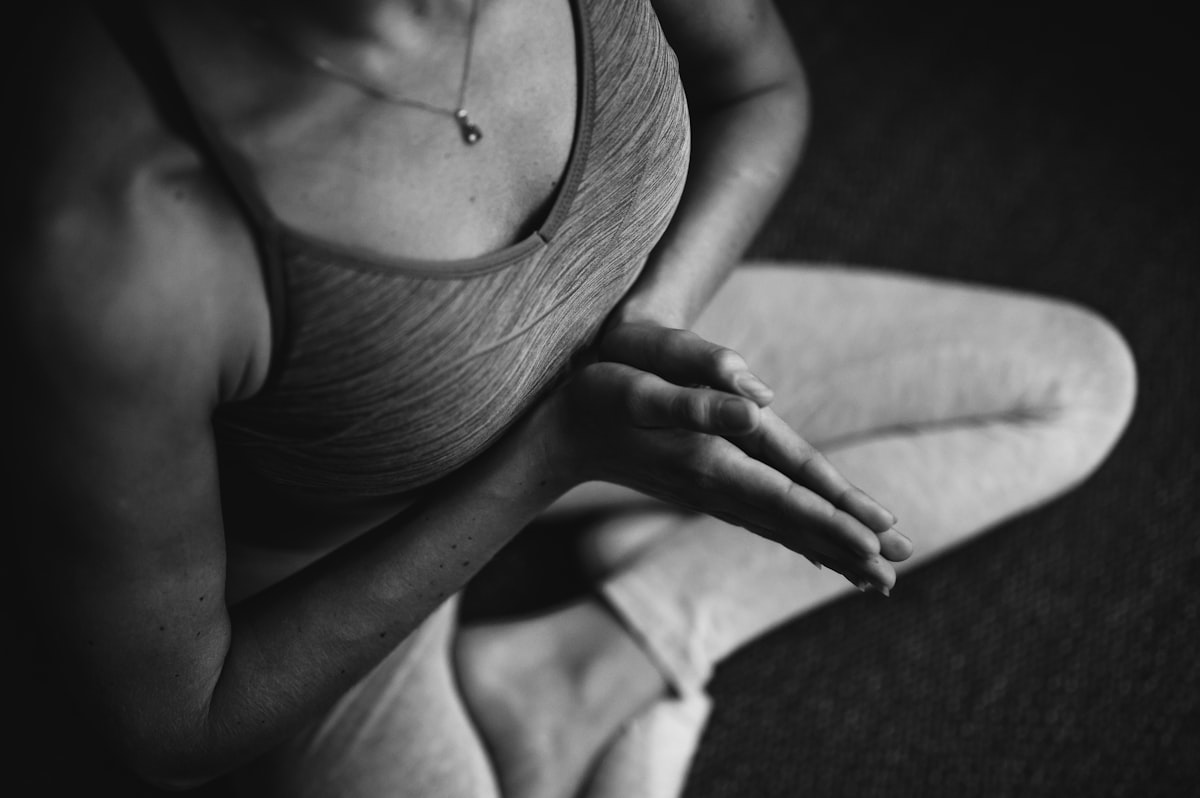
5-Step Cool-Down Framework
Gradual Movement Reduction
Begin by slowing your pace and reducing the intensity of movement. Walk gently, perform light stretches, or flow through slow-motion versions of warm-up poses. This phase typically lasts 2-5 minutes and signals to your body that vigorous activity is ending.
Seated or Supine Stretching
Transition to seated or lying-down poses that gently lengthen the muscles you've just worked. Include forward folds, hip openers, spinal twists, and gentle hamstring stretches. Hold each pose for 30-60 seconds, breathing deeply to encourage relaxation and nutrient delivery to fatigued muscles.
Breath Work and Grounding
Introduce focused breathing techniques such as extended exhale breathing or alternate nostril breathing. This activates your parasympathetic nervous system, lowers your heart rate further, and anchors your mind in the present moment. Spend 2-3 minutes on intentional breath awareness.
Restorative Poses
Move into fully supported, passive poses such as legs-up-the-wall, reclined bound angle, or supported child's pose. Use props like bolsters, blocks, and blankets to ensure complete comfort. These poses require minimal muscular effort and allow deep physiological relaxation, typically held for 5-10 minutes.
Savasana and Integration
Conclude with savasana (corpse pose), lying flat on your back with palms facing up. Allow your entire body to relax completely, releasing any remaining muscular tension. Spend 5-15 minutes in this state, letting your mind settle and your body absorb the benefits of your practice. This period is where true integration of physical and mental benefits occurs.
Pose Demonstrations
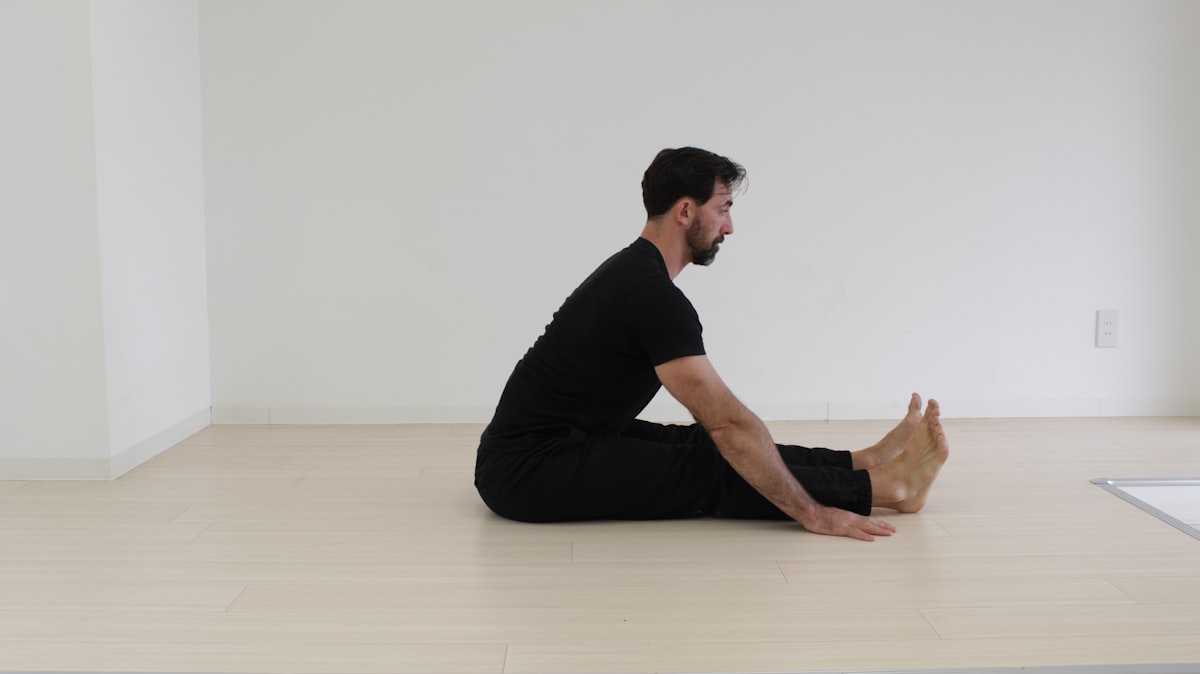
Child's Pose
A deeply grounding forward fold that gently stretches the hips, thighs, and spine. Perfect for releasing lower back tension and promoting introspection. Hold for 1-2 minutes with steady, natural breathing.
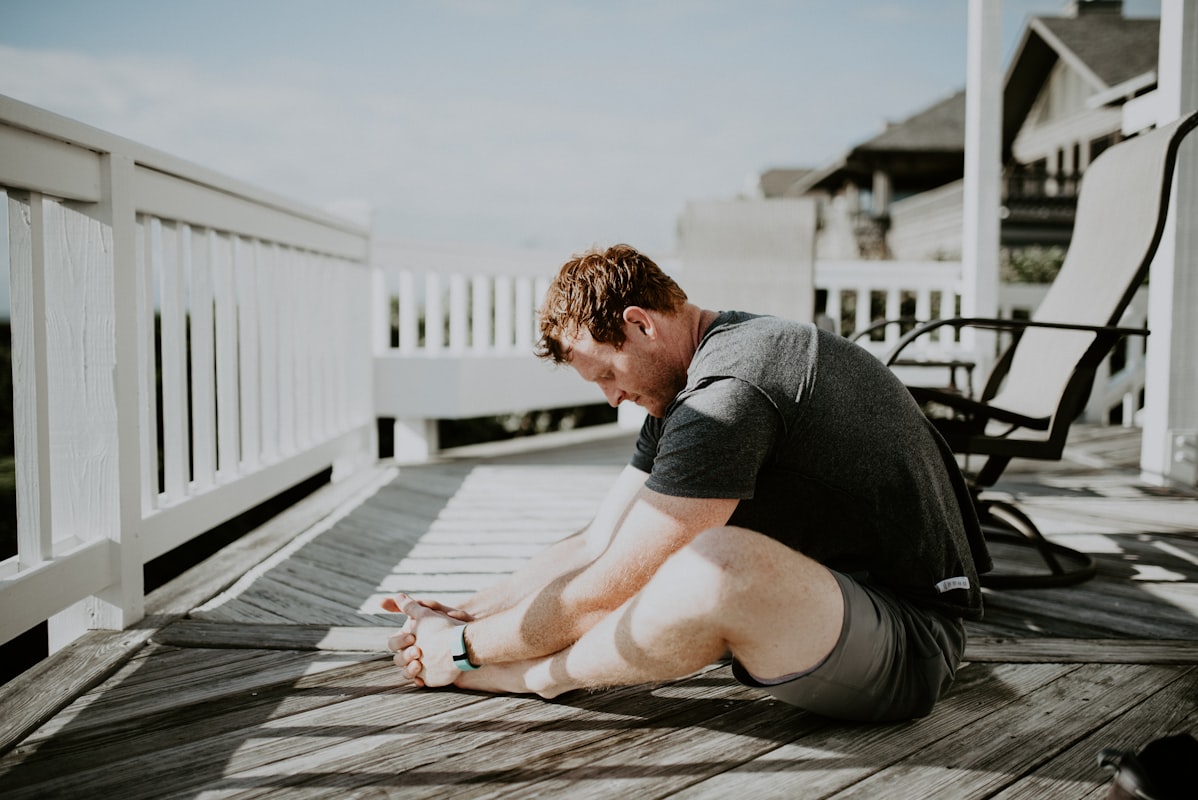
Reclined Twist
A supine rotation that aids digestion and releases tension along the spine and IT band. This pose gently stimulates internal organs and provides natural spinal decompression. Hold each side for 1 minute.
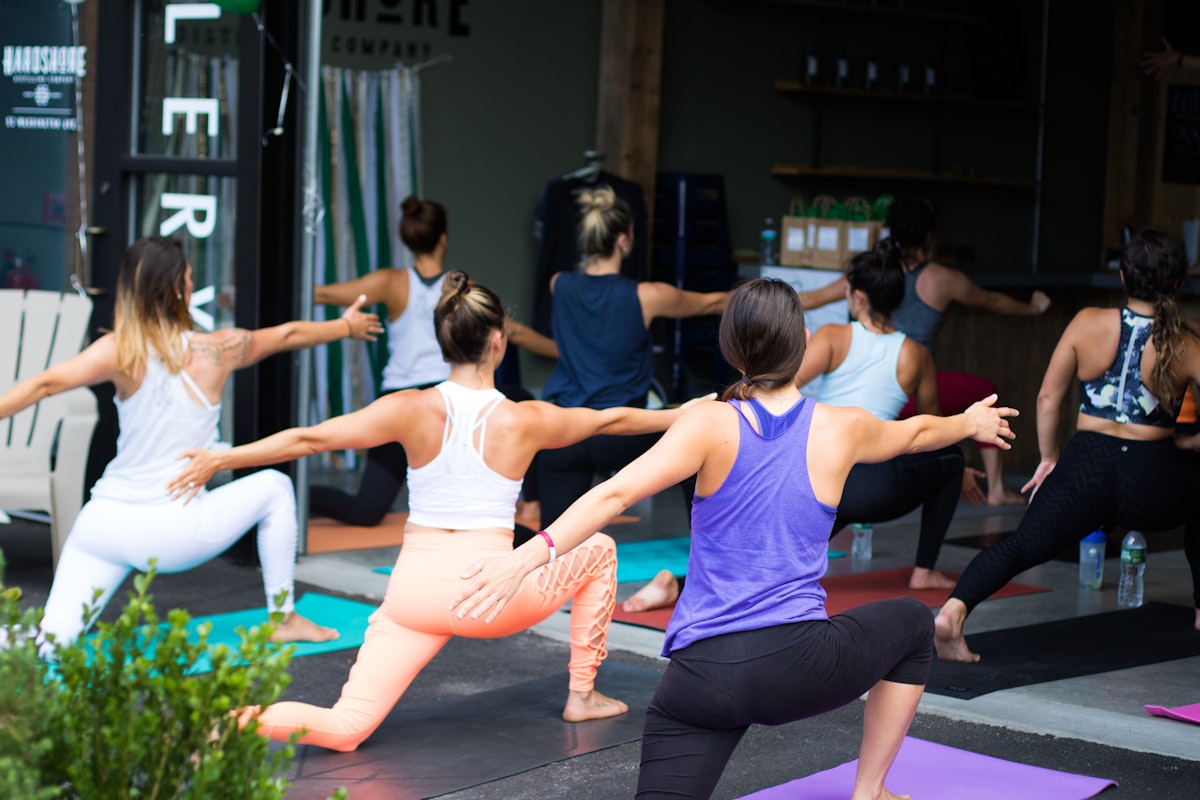
Legs-Up-the-Wall
An inversion that calms the nervous system and improves circulation throughout the body. Particularly effective for reducing leg swelling and promoting relaxation of the lower body. Hold for 5-10 minutes.
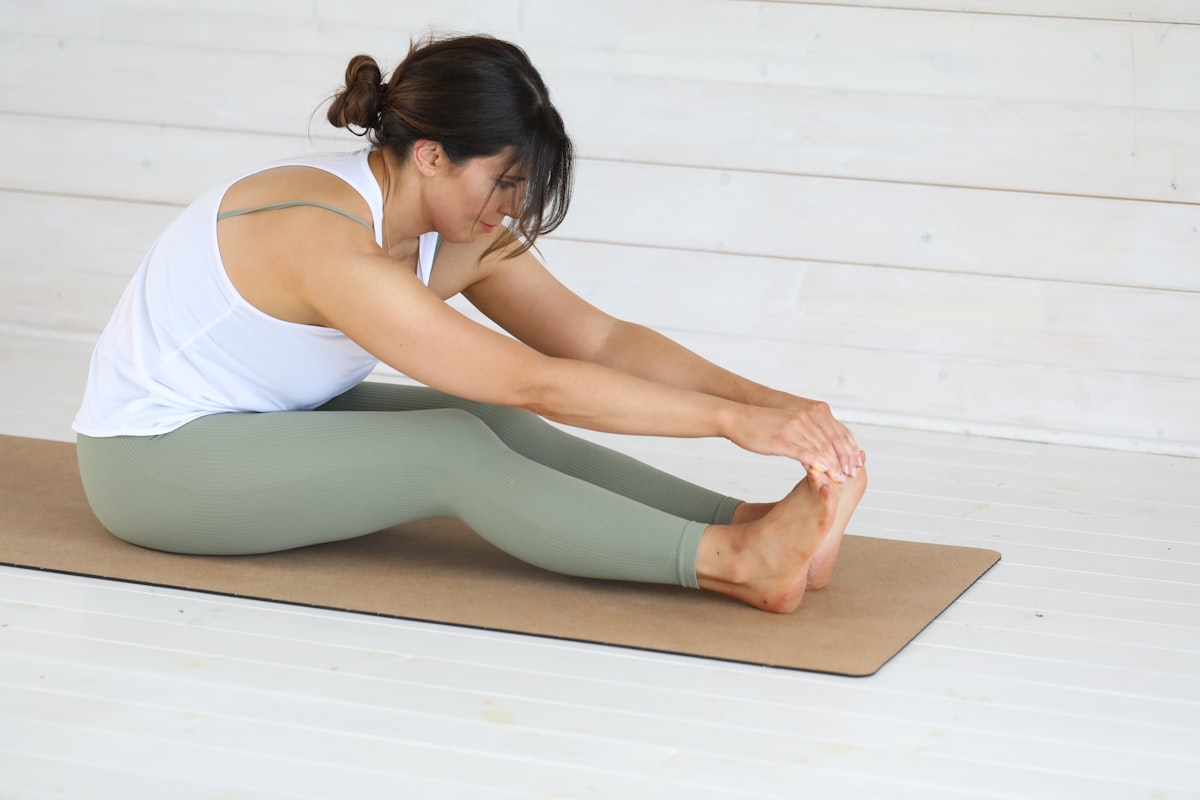
Reclined Bound Angle
A fully supported hip opener that stretches the inner thighs and groin while allowing the chest to remain open. Creates a sense of vulnerability and acceptance. Support with blocks and blankets for maximum comfort.
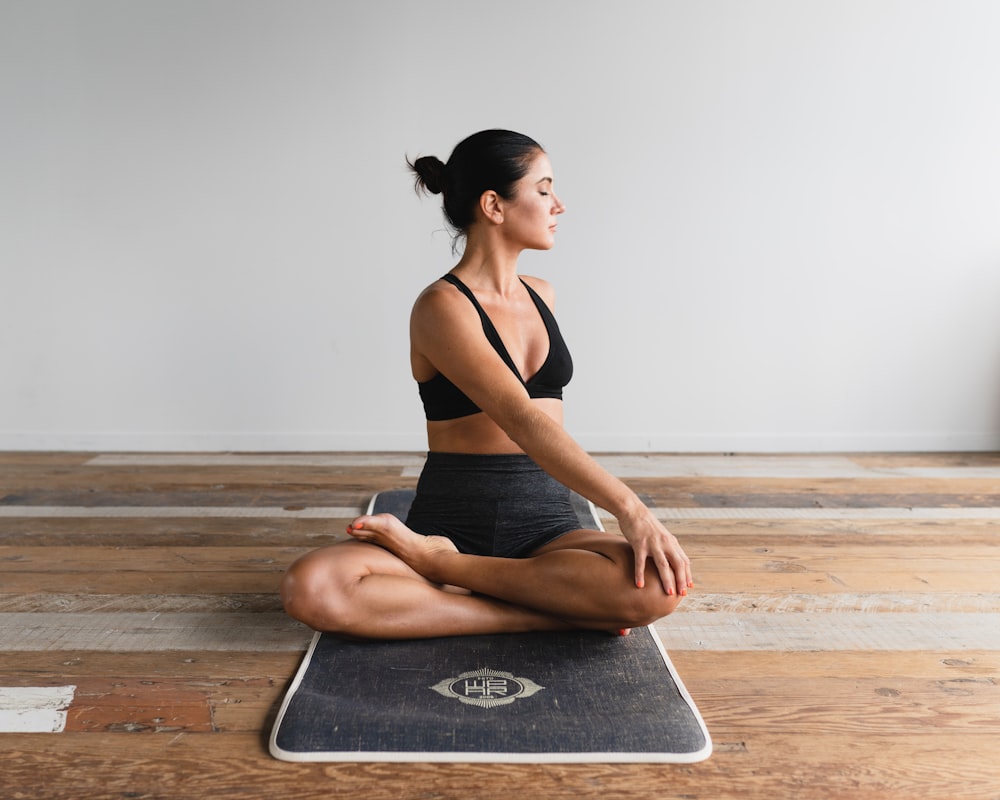
Seated Forward Fold
A fundamental hamstring and calf stretch that also releases the entire back body. Encourages introspection and surrender. Keep knees slightly bent if needed and breathe into any sensations for 2-3 minutes.
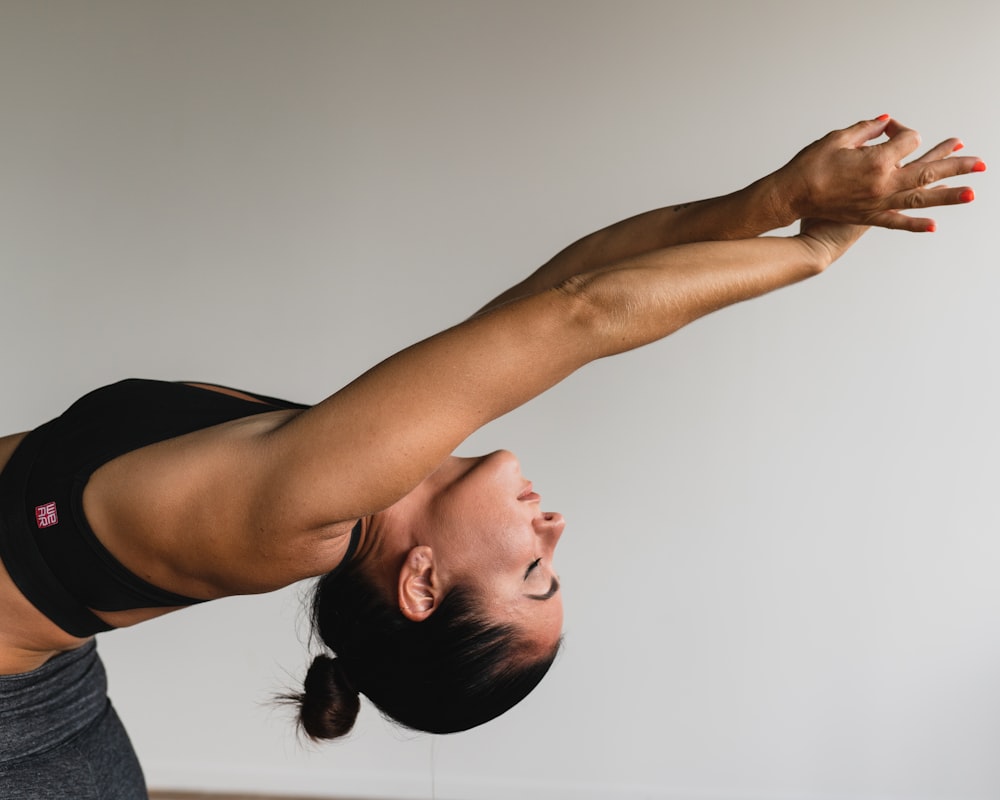
Savasana (Corpse Pose)
The ultimate resting pose where your entire body achieves complete muscular relaxation. Your mind becomes a witness to your body's natural healing processes. This is where transformation occurs—spend 10-15 minutes here.
Sequence Programs by Duration
Quick Cool-Down (10 Minutes)
Perfect for busy days or when time is limited. This abbreviated sequence focuses on essential stretches and breath work. Includes light movement reduction, key muscle stretches, and 3-5 minutes of restorative breathing. Ideal after morning workouts or midday activity breaks.
- 2 minutes: Gradual movement reduction
- 4 minutes: Targeted stretching sequence
- 4 minutes: Breath work and grounding
Standard Cool-Down (20 Minutes)
Our most popular format that delivers complete cool-down benefits. This sequence includes all five framework steps with balanced time allocation. Includes seated stretches, gentle twists, and a full restorative phase. Suitable after moderate-intensity yoga, fitness classes, or evening wind-down routines.
- 3 minutes: Movement reduction and transition
- 6 minutes: Comprehensive stretching
- 5 minutes: Restorative poses
- 6 minutes: Savasana and integration
Deep Relaxation (30 Minutes)
Our most immersive cool-down experience designed for maximum physiological and mental restoration. Extended time in each phase allows deeper release and integration. Features supported restorative poses, extended savasana, and guided relaxation. Best reserved for evenings or weekend practice sessions.
- 4 minutes: Gradual movement reduction
- 8 minutes: Full stretching sequence
- 10 minutes: Extended restorative poses
- 8 minutes: Deep savasana
Evening Transition (15 Minutes)
Specifically designed for evening practice to prepare your body and mind for sleep. Emphasizes parasympathetic activation through gentle poses, extended breathing, and calming transitions. Uses cooler, slower movements and focuses on digestion support. Pairs perfectly with bedtime routines.
- 2 minutes: Slow movement wind-down
- 4 minutes: Gentle digestion-supporting poses
- 3 minutes: Breath work for sleep
- 6 minutes: Restorative savasana
Key Features of Effective Cool-Down Sequences
Heart Rate Regulation
Gradual intensity reduction prevents sudden drops in blood pressure and allows your cardiovascular system to safely transition from elevated activity to resting state. This smooth transition supports overall circulatory health and prevents dizziness or lightheadedness.
Nervous System Balance
Cool-down sequences activate the parasympathetic nervous system through specific breathing patterns and gentle poses. This "rest and digest" response counterbalances the sympathetic activation from exercise, promoting hormonal balance and stress reduction.
Muscle Recovery Support
Gentle stretching during cool-down maintains and improves flexibility while promoting nutrient delivery to fatigued muscle tissue. This aids natural recovery processes, reduces delayed-onset muscle soreness, and preserves range of motion for your next session.
Breath Control Mastery
Focused breathing techniques like extended exhale and alternate nostril breathing strengthen your capacity for conscious breath awareness. These skills reduce stress hormones, improve oxygen utilisation, and cultivate mental clarity and emotional resilience.
Sleep Quality Enhancement
Evening cool-down sequences prepare your body physiologically for restful sleep by lowering cortisol, regulating body temperature, and shifting your circadian rhythm. Regular cool-down practice leads to deeper, more restorative sleep patterns over time.
Mind-Body Integration
Cool-down sequences create dedicated space for integrating the physical, mental, and emotional benefits of your practice. This reflective time strengthens body awareness, processing of emotions, and the lasting positive effects of your yoga or fitness work.
Who Benefits from Cool-Down Sequences?
Cool-down sequences are valuable for anyone engaged in physical activity or seeking better relaxation and sleep quality. Athletes and fitness enthusiasts benefit from accelerated recovery and injury prevention. Yoga practitioners deepen their practice and access the meditative benefits that distinguish yoga from mere stretching. Individuals managing stress find structured cool-downs anchor them in the present moment and activate natural relaxation responses.
Office workers and students benefit from midday cool-down sessions that reset mental clarity and reduce accumulated tension. Those with irregular sleep schedules use evening cool-down sequences to prepare their bodies for quality rest regardless of bedtime. Ageing populations maintain flexibility, balance, and autonomy through gentle, supported cool-down poses.
Whether you're recovering from intense exercise, winding down after work, preparing for sleep, or simply seeking deeper body awareness, cool-down sequences offer tangible, science-aligned practices that support your wellbeing across all life domains.
Common Questions About Cool-Down Yoga
How long should a proper cool-down sequence last?
A complete cool-down sequence ideally lasts 10-30 minutes depending on the intensity of prior activity and your available time. Our research suggests that 20 minutes provides optimal balance between comprehensive benefit and practical application. However, even a 10-minute cool-down offers measurable benefits, while extended 30-minute sessions provide deeper relaxation and integration. Begin with what fits your schedule and gradually extend duration as the practice becomes established in your routine.
Can I skip cool-down sequences if I'm short on time?
While a full cool-down is ideal, even 5-10 minutes of intentional wind-down provides meaningful benefits over skipping it entirely. When time is limited, prioritise the most essential elements: gradual movement reduction and 3-5 minutes of deeper breathing. A brief cool-down is substantially better than no cool-down, though you may notice greater benefits in sleep quality and muscle soreness prevention when you dedicate fuller time to the practice.
Which cool-down poses are safe if I have back pain?
Individuals with back concerns should prioritise gentle, supported positions: reclined twist (modify by keeping one leg bent), supported child's pose, legs-up-the-wall, and savasana with pillow support under the knees. Avoid deep forward folds and spinal flexion unless you've been cleared by a practitioner familiar with your condition. Restorative poses with generous prop support (bolsters, blankets, blocks) are particularly beneficial for back discomfort as they allow complete muscular relaxation without strain.
How often should I incorporate cool-down sequences into my routine?
Ideally, include a cool-down sequence after every yoga, fitness, or intense physical activity session. Additionally, 2-3 dedicated cool-down sessions weekly—even without prior intense activity—provide substantial relaxation and sleep benefits. Many practitioners enjoy an evening cool-down several times weekly as a wind-down ritual before bed. Consistency matters more than frequency; regular, moderate practice yields better results than occasional longer sessions.
Can I do cool-down sequences if I have injuries or mobility limitations?
Yes, cool-down sequences can be adapted for injuries and mobility limitations. Always work within your pain-free range of motion and avoid stretches that aggravate affected areas. Gentle, supported stretches and breath work are particularly beneficial for injury recovery. Consult a physical therapist or qualified instructor to design a personalized cool-down routine that accommodates your specific condition and promotes safe healing.
How does a cool-down differ from a warm-up?
Warm-ups prepare your body for activity by gradually elevating heart rate and loosening muscles. Cool-downs do the opposite—they help return your heart rate to baseline, reduce muscle tension, and initiate recovery. While warm-ups are dynamic and energizing, cool-downs are calm and restorative. Both are essential bookends to physical activity that work synergistically to protect your health and optimize performance.
What Our Community Says
Real experiences from people who've transformed their wellness with cool-down practices.
Anika Johnson
Fitness Enthusiast
"Adding cool-down routines to my workouts has cut my recovery time in half. My muscles feel less sore, and my sleep quality has improved dramatically. Wellnessdietpath's guidance made it easy to understand why cool-downs matter."
Marcus Park
Yoga Practitioner
"I was skeptical about cool-downs until I realized how much they've helped with my mental clarity and stress levels. Now I can't imagine ending my yoga practice without a proper wind-down sequence."
Sarah Roberts
Corporate Professional
"As someone with a desk job, I didn't exercise much. But cool-down stretches and breathing techniques have become my evening ritual—they've helped me unwind and sleep better than ever."